
By Siqhamo Jama
A historic shift in national policy is finally bringing reproductive rights off the page to address the lived realities of everyday South Africans. Cabinet recently made South Africa the first African country to adopt a government-level Sexual and Reproductive Justice Strategy Framework. This move fulfils commitments made through the Nairobi Summit on ICPD25, but the realisation of this forward-looking decision rests on efforts by the National Population Unit, supported by engaged research at Rhodes University.
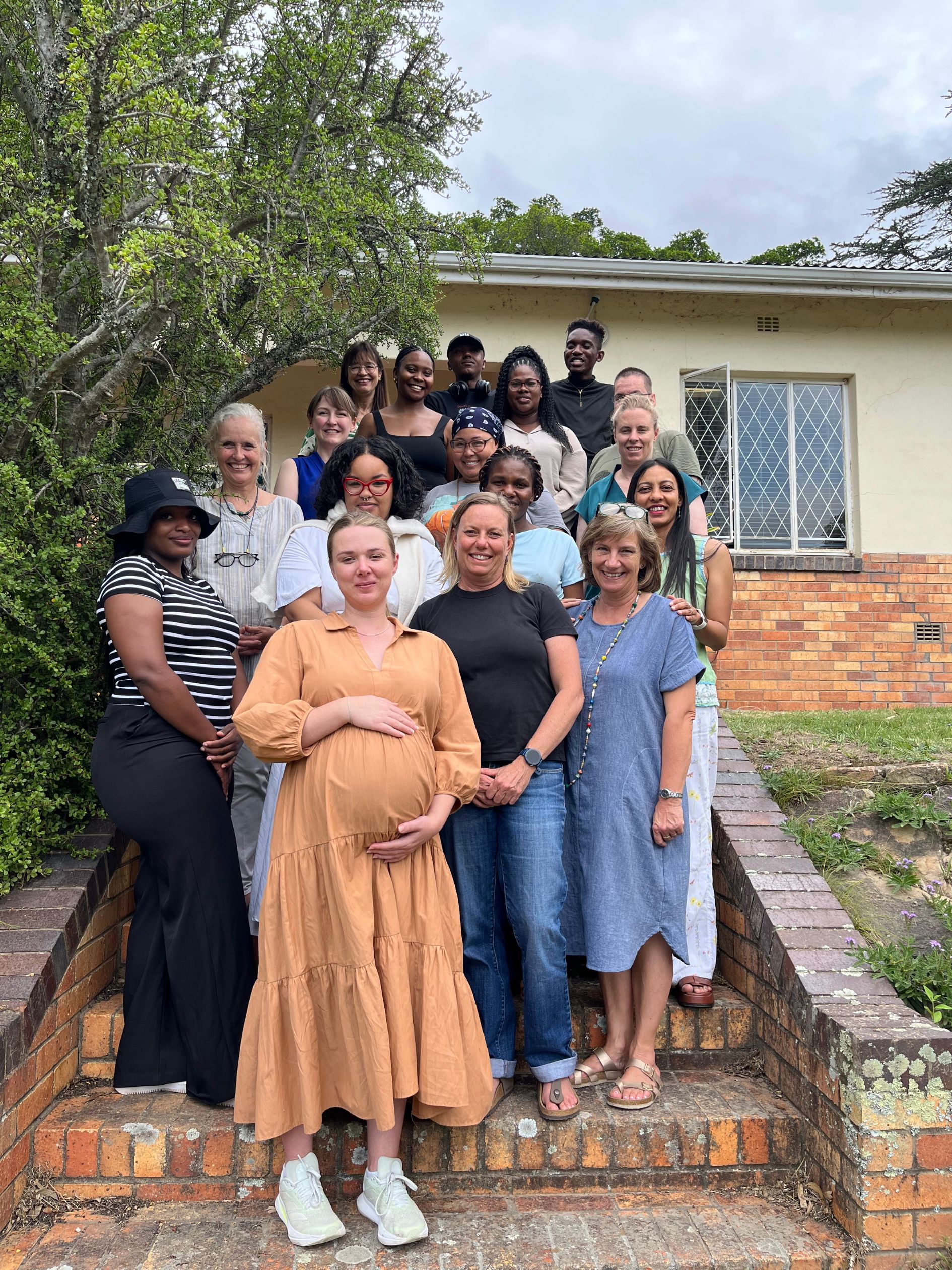
For more than a decade, researchers at the Critical Studies in Sexualities and Reproduction (CSSR) Unit have stepped out of lecture halls to actively influence national policy.
The new framework shifts the focus from purely reproductive rights to reproductive justice. This approach goes beyond individual rights and tackles the structural issues and power relations that hinder the realisation of reproductive rights.
"The justice framework says we can't just say 'you have your rights' and then we finish with that," explained Distinguished Professor Catriona Macleod, who holds the SARChI Chair of Critical Studies in Sexualities and Reproduction at Rhodes University. "We can't just have rights on paper. It actually has to get to people. It is that step between having the legal foundation and having the means to access those rights."
A multisectoral approach
The Department of Social Development (DSD) led the framework's development. In a statement released by the DSD, Minister Tolashe welcomed the strategy. She noted it aims to improve conditions that enable people to make informed decisions about their sexual and reproductive health.
Minister Tolashe added that the strategy propels South Africa as a beacon of hope in fighting gender inequality and gender-based violence.
To achieve this, the framework breaks down traditional government silos. It connects departments like Health, Education, Labour and Social Development so that rights are accessible to everyone, especially marginalised groups.
Taking research to the people
Reaching this milestone required extensive public engagement. In the run-up to the Strategy Framework, the DSD ran a rigorous consultative process across seven provinces. Rhodes University academics were at the forefront of this effort. Prof Macleod was co-chair of the scientific committee and presented the introductory plenary talk framing sexual and reproductive justice at all the consultative events. Travelling to locations like Kimberley and Pietermaritzburg, CSSR researchers presented findings to diverse crowds, including the final conference of over 200 adolescents, healthcare workers and residents. The aim was to translate complex research into relatable discussions about everyday reproductive injustices. This ensured the policy reflected the lived realities of vulnerable groups, including LGBTQIA+ individuals, rural communities, sex workers, migrants and people with disabilities.
"We had between 10 and 12 presentations of our research," explained Professor Macleod. "And we’re not presenting to an academic audience. We’re telling them, this is what the research shows; now what does that mean in terms of implementation for people living in South Africa?"
Empowering researchers
The project served as an invaluable training ground for Rhodes University postgraduates. In addition to presenting research, Master's and PhD students were embedded in the consultative process as note-takers and administrative support. By being in the room where national policy was conceptualised and debated, these students gained first-hand exposure to the complex interface between academic research, community activism and government legislation.
The DSD's Population Unit specifically credited the 2018 Abortion and Reproductive Justice Conference, hosted by the CSSR, as a major impetus for this framework. The establishment of the Sexual and Reproductive Justice Coalition in 2015 also sustained these vital conversations.
With the framework approved, the real work begins. The CSSR remains actively involved in the DSD working groups tasked with ensuring this aspirational document translates into tangible justice.
"We are proud of having contributed to policy within South Africa," said Professor Macleod. "That is a very important goal of research, and we have fulfilled that mandate."