
By: Mo Senne (Senior Communications Officer)
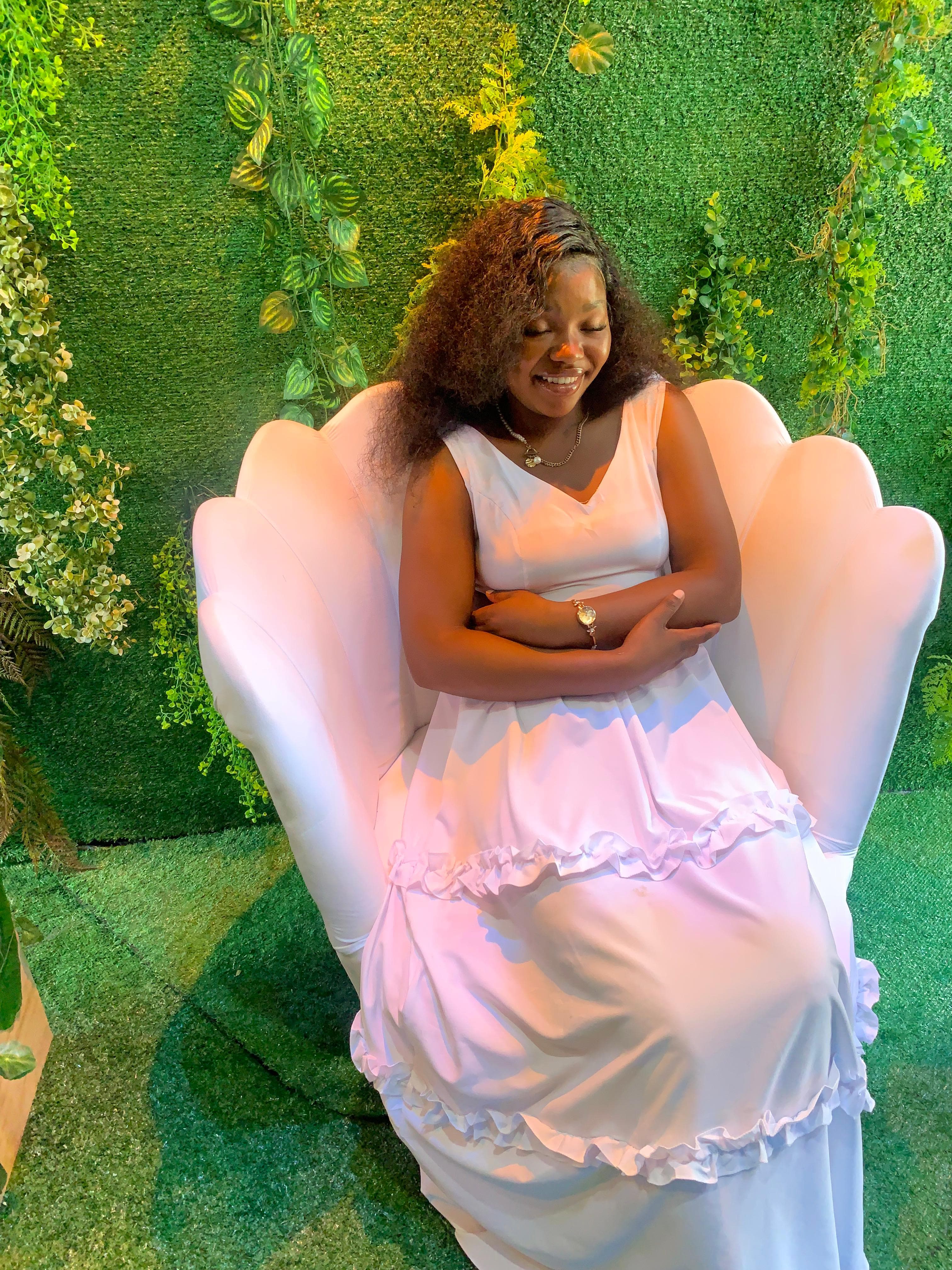
On the morning of March 25th, the graduation hall will be filled with the sound of celebration. But for Philile Gugu Msweli, a young woman from Kwamhlabuyalingana, KwaZulu-Natal, the silence of those she has lost—her father in 2008 and her mother in 2019—will be just as present. As she stands to receive her BA in Psychology and Drama, she is a pioneer: the first graduate in her family.
Reflecting on her journey, Philile says: "I lost my mother in 2019 while I was in Grade 8, and my father in 2008." For many, such profound loss at a young age would be a permanent barrier to success, but Philile chose to see her education as a tribute to their memory.
Philile’s journey reflects the broader struggle of the South African "Missing Middle" and the precarious nature of student funding. While NSFAS provided a vital lifeline during her undergraduate years, the transition to non-degree student status this year revealed systemic gaps in higher education support.
In South Africa, the "Missing Middle" refers to students who are too poor to afford university but are not "poor enough" to qualify for certain government subsidies, or those who find themselves "unfunded" once they move beyond their initial degree. Without a safety net, many are forced to drop out due to historical debt or the inability to pay registration fees.
Philile describes this difficult period: "This year, I'm back as a non-degree student without funding, and it's been tough."
When the funding stopped, Philile’s resilience took a new form. To cover her rent and the mounting costs of graduation, she launched a business selling iPhones. In an economy where youth unemployment is a constant shadow, her entrepreneurial spirit turned a personal crisis into a success story.
"Preparing for graduation hasn't been easy either, which is why I started selling iPhones," she explains. "Luckily, people supported me, and I was able to pay rent and get things ready for graduation."
Her survival was not just built on business, but on talent. As a soccer player, she secured the RU Sport Bursary twice. In the South African university climate, sport bursaries are more than just athletic awards; they are critical financial instruments that enable talented students from disadvantaged backgrounds to keep their seats in the lecture hall when their bank accounts say otherwise.
"Being a soccer player has also helped me as I received a sports bursary twice, and that money helped me register this year," Philile notes.
Being an orphan and a first-generation student brings a unique kind of pressure. There is no "Black tax" to pay yet, but there is the weight of being the one who must succeed so that those who follow have a map to the finish line.
Despite the lack of help at home, save for the steady support of her Mamkhulu, Philile has remained anchored in her faith. Her story is a reminder that the "South African Dream" is often forged in the fires of personal sacrifice and community support.
This degree is not the end of the road. Philile is already setting her sights on Postgraduate studies next year. Her journey from a Grade 8 learner losing her mother to a graduate selling electronics to keep her dream alive is a powerful testament to her faith.
"When God has a plan for you, no one can change it," Philile says firmly. "I'm proud of myself and hope to pass this year so I can do my Postgraduate studies next year."
On March 25th, when that gown is draped over her shoulders, it will not just be fabric. It will be armour, proof that Philile Msweli is a force that no circumstance could stop.