A new synthesis paper emerging from the long-running T-learning (Transgressive Learning in Times of Climate Change) research programme explores how education itself may need to change in order to respond meaningfully to today’s deepening social and ecological crises.
Director of the Environmental Learning Research Centre, Distinguished Professor Heila Lotz-Sisitka, draws on eight years of collaborative international research to examine how learning processes can move beyond incremental reform toward more transformative approaches capable of addressing interconnected challenges such as climate change, inequality, and the enduring legacies of colonialism and fossil-fueled development.
There has been renewed interest in the role learning can play in transitions towards sustainability and climate change adaptation. Transformative learning (or “T-learning”) explores how education can spark thinking and feeling that has the potential to foster social change.
-600x428.jpg)
This can happen when people rethink their perspectives or established social norms through learning, whether in the classrooms, workplaces, policymaking spaces, community projects, or collaborative engagements across places, institutions, or cultures. Learning about the value of nature, sustainable practices, indigenous and local knowledge systems, climate risks and pollution, and questions of social and environmental justice, as well as how to engage constructively across social difference, can shape how people understand their responsibilities and act in the world.
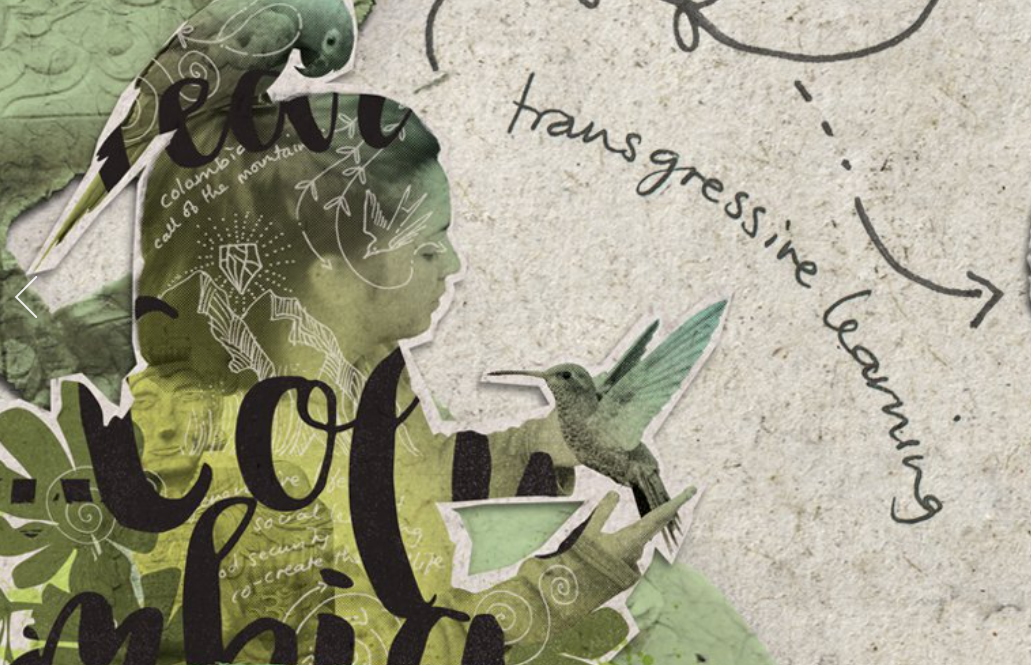
Transgressive learning is a form of transformative learning that further challenges the status quo, transgressing boundaries and aiming to set new ways of thinking and knowing.
It intentionally generates critical thinking, collective agency, and changes in practice and structure, challenging that which is normalised, especially those practices that lend themselves to the reproduction or recycling of the same knowledge and practices generation after generation: From old food systems that create waste and food insecurity, development practices that ignore the local knowledge of affected communities or leave underlying inequality unchecked, or education that promotes the idea of infinite economic growth in a resource-finite world.
Instead, T-Learning aims to produce new knowledge and practice, nurturing iterative knowledge creation and application.
The study reviews an emerging “politics of transgression” within environmental education research, highlighting how learning can become a collective, participatory process that questions dominant assumptions about knowledge, power, and sustainability.
Through reflection on the T-learning knowledge commons. a growing archive of co-produced research and practice, the paper advances a grounded or “low theory” approach that emphasises experimentation, collaboration, and movement-building as central to sustainability transformations.
In doing so, it contributes new insights into how education and research can support more just and socially responsive pathways toward environmental change.
Written by Samantha van Heerden and Distinguished Professor Heila Lotz-Sisitka