
By: Lisakhanya Tali
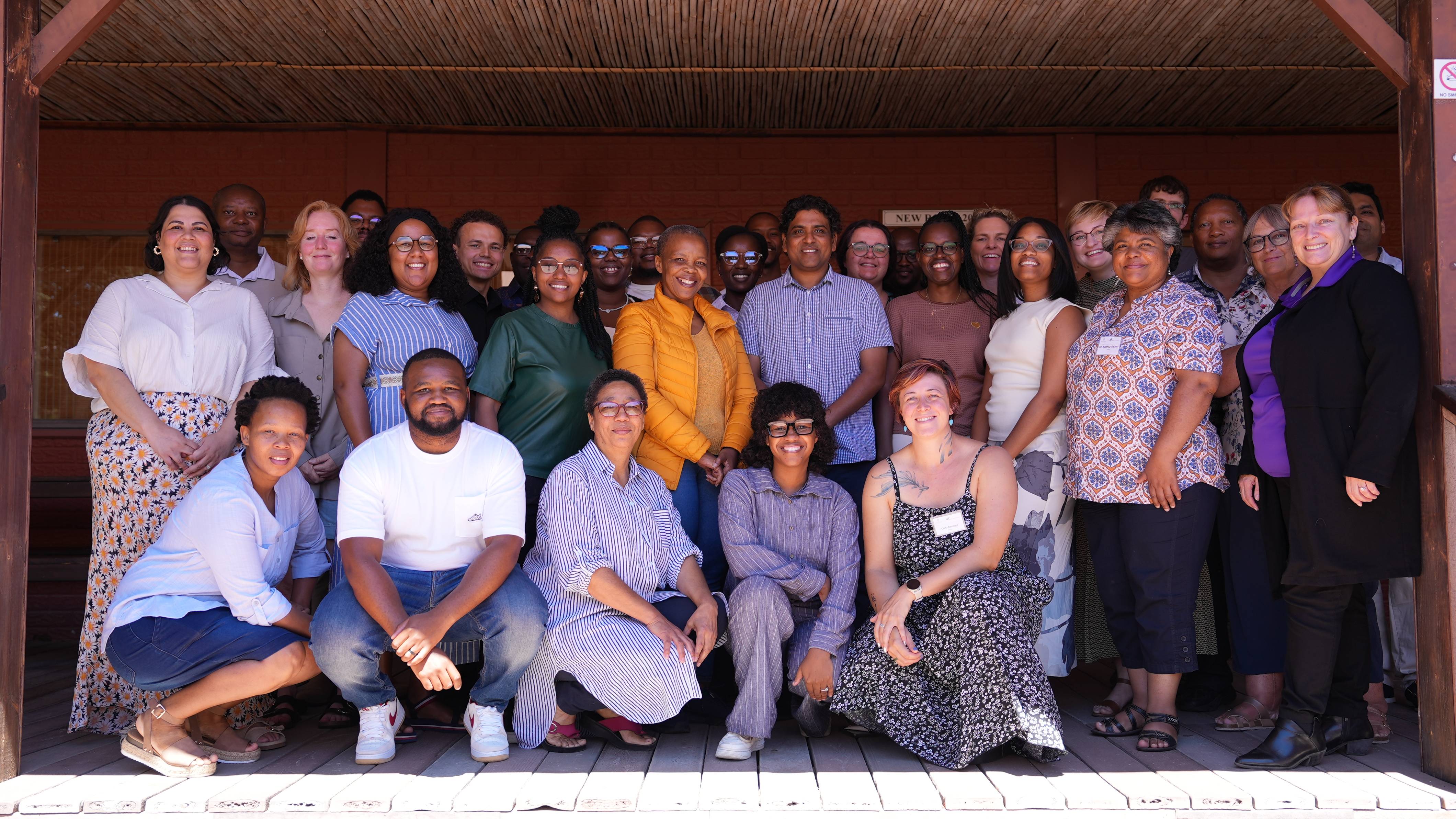
The Academic Orientation Programme (AOP) at Rhodes University sets the tone for an enriching academic year. AOP serves as a vital induction for new academics at the institution. Vice Chancellor Professor Sizwe Mabizela and Deputy Vice Chancellor: Academic and Student Affairs, Professor Mabokang Monnapula-Mapesela, along with Deputy Vice Chancellor for Research, Innovation and Strategic Partnerships, Dr Nomakwezi Mzilikazi, extended heartfelt welcomes, emphasising belonging and the long-term value of engaging with the Rhodes community. They shared the university’s vision of generating knowledge that is locally responsive and globally engaging, to foster a just and sustainable society. Professor Monnapula-Mapesela poignantly noted, “To thrive at Rhodes University, understanding its unique context through an Academic Orientation Programme is essential for integrating into the community and aligning with its goals.”
Associate Professor Jo-Anne Vorster and her dedicated CHERTL team created a warm and inviting atmosphere that laid the groundwork for the week’s engaging discussions, insightful presentations, and a strong emphasis on community, teaching, and learning. The Director of Equity and Institutional Culture, Dr Claire Kelly, highlighted the importance of navigating institutional culture to foster transformation and innovation. Professor Owen Skae, who is at the helm of the Rhodes Business School, addressed university governance, autonomy, and academic freedom, and provided insights into the roles of various governance structures within the institution. During the afternoon sessions, Professor Vorster and Dr Adams supported academics new to teaching by inviting them to explore key aspects of higher education pedagogy, teaching and learning challenges, how students learn, impactful teaching, and the crucial role assessment plays in promoting meaningful learning.
Professor Sioux McKenna, recipient of the 2025 Vice Chancellor’s Senior Distinguished Teaching Awards, reminded academics, “Being an academic is a tough job because it compromises so many different roles… But it is also a job where you can craft your own career.” Using Mentimeter as an engaging tool, McKenna unpacked what good teaching means and discussed the diverse roles of an academic. Captivating the audience with both scholarship and practical insight, Dr Sandie Phakathi demonstrated why she is the distinguished teaching award winner in the category for academics with ten or fewer years of teaching experience. Drawing on her extensive experience, her presentation highlighted the value of a strong teaching philosophy and emphasised the importance of acknowledging students’ prior knowledge as a foundation for meaningful learning.
Reflecting on their academic trajectories and how they balance their roles as researchers, teachers, leaders, and community-engaged scholars, Drs Ellen Ledwaba (Head of Microbiology), Alyssa Williams (Department of Management), and Gabriel Darong (Senior Lecturer in the Department of Anthropology) shared their experiences of exercising agency as academics and postgraduate students. Professor Vorster presented the Conversations about Teaching, Assessment and Learning (CATALyst) course as one of CHERTL’s flagship initiatives that supports new academics in their teaching. In addition to the CATALyst course, CHERTL also offers a wide range of capacity-building initiatives, such as formal and short courses, workshops, seminars, and curriculum conversations.
The Director of Community Engagement, Ms Di Hornby, shared invaluable insights on how academics can participate in creating sustainable teaching and learning environments through transformative community engagement partnerships. Dr Andrew Todd, a Senior Lecturer and Head of the Human Kinetics and Ergonomics departments, elaborated on the synergy between theory and practical work in fostering community partnerships. Extending its locally responsive and globally engaged commitment, the Director of Internationalisation, Ms Orla Quinlan, discussed the value of international collaboration and mobility programmes. Professor Michelle Karels, Dean of the Law Faculty, noted the significance of academics engaging directly with their faculty deans, fostering connections that can ease their transition into new roles.
Dr Janet Haywood reminded academics of the research ethics and institutional processes, covering essential topics such as ethical review application systems and risk assessments. The Centre for Postgraduate Studies Director, Professor Sybert Mutureko, highlighted support for postgraduate students and early-career researchers, outlining development strategies that enhance academic growth. As the VC’s Distinguished Researcher Award winner, Professor Sioux McKenna’s dual award achievement (in research and teaching) underscored her exceptional scholarship, leadership, and dedication to research capacity-building at the institutional, national, and international levels. New academics were keen to learn from her research insights and reflections on how becoming a researcher has shaped her professional academic identity.
Rhodes University Library Director, Ms Nomawethu Danister and her colleagues, Mr Samuel Simango, Senior Manager: Academic Support Services, and Ms Thobile Mthethwa empahsised research visibility and invited academics to visit the library for academic support. The Chairpersons of the two staff unions represented at the institution, Mr Thozamile Zondi from the National Education, Health and Allied Workers Union (NEHAWU), and Advocate Shuaib Rahim from the National Tertiary Education Union (NTEU), highlighted the role of organised labour in the academic space. Educational Technology Specialists, Dr Nicola Pallitt and Mr Neil Kramm, introduced academics to teaching with technology. During the rest of the AOP, they focused on blended learning, RU-supported educational technology tools, incorporating AI tools into teaching and learning, and informing academics of upcoming capacity-building opportunities.
The Academic Orientation Programme proved to be a resounding success, fostering engagement and dialogue among academics and presenters. As a professional development initiative, the CHERTL team not only inducted newcomers to academia but also reinforced the supportive and collaborative culture that defines Rhodes University.